

Many non-dancers faced with either their own wedding, a friend's wedding or a ball decide that they would like to learn to waltz. It can't be that hard can it? Well I thought the same thing - started taking classes and 15 years later I'd still say my waltz is pretty average!
Learning to waltz is more than just the steps. Its all about the right posture, the position of the man and the woman, and rise and fall in the feet. That's why its almost impossible to learn from a book, or even a web page!



 Build My Rank Alternativeson 03/22/2012
 How To Learn To Danceon 03/13/2012
 Low Calorie Gluten Free Chocolate Cake: Which Actually Tastes Goodon 03/12/2012
 Copyright and Recipes - How Does It Work?on 03/13/2012
Comments
Those 3/4th turns used to drive me nuts. I agree it is one of the hardest...better if you have a man that lead you well.
I still think waltz is one of the hardest dances - and I've been learning for about 15 years!
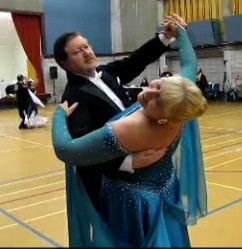
This is so neat! I love that International Style Viennese Waltz video, her dress is gorgeous and it looks like so much fun! We had a waltz class in high school but I just can't remember how to do it anymore.
I've always said - why go through all the legal implications of wearing a wedding dress for just one day - when I can have a new "dress of my dreams" about once a year? Oddly I hardly ever wear a skirt except when I dance - but I have some wonderful dance dresses and skirts!
This is great. I wish I could dance like this just to be able to wear the dresses. They are beautiful. I don't think I could be that graceful. I would still love to learn. I may ask my husband to try this with me.