
As an expert in the treatment of child abuse victims and survivors, I have seen countless men and women, boys and girls, heal from the trauma of the abuse and of the abusive environments in which they grew up. I want you to know that it is definitely possible to heal. I know that therapy is scary and I also know that with proper guidance, you can make it through the Wall of Fear that keeps you from living life as you would like to live it.

Overcoming Childhood Sexual Trauma: Co-Authored by a Clinician and a Survivor
by Sheri_Oz
Written by a clinician and a client for clinicians and clients, this book shows what therapy for child sex abuse aims to accomplish and how it succeeds.
What is "The Wall of Fear"
Some of you know what I mean even without reading what I have written below.
The Wall of Fear Model forms the basis for all the work I do with survivors of trauma. When people experience trauma, of any kind, they disconnect or, in professional terms - dissociate from some aspect of the event. If they cannot talk about what happened, for whatever reason, the experience remains dissociated, or split off, from them in some way.
For example, perhaps they don't remember certain aspects of what happened; perhaps they don't feel anything about what happened; perhaps it feels like it happened to someone else. There are other forms that dissociation may take as well.
The split off or dissociated aspects then "hide" behind a dissociative wall. I have called this wall, "The Wall of Fear". The Wall protects the individual from connecting with the very aspect of the trauma that feels to them as if it could kill them or drive them insane.
Getting through the Wall of Fear is the most difficult part of therapy - the most scary. It can only be accomplished when there is a relationship of trust with the therapist. What is interesting is that the therapist must also have trust in the client - respecting the client's strengths and skills. If the therapist looks down on the client in any way, he or she will not be able to help the client through The Wall of Fear.
Therapy is Hard but Do-able
And You Can Recover Your Life After Childhood Sexual Abuse
While trust is essential for getting through The Wall of Fear, we must recognize that trust, in and of itself, is frightening for the child sex abuse survivor. The very people who were supposed to protect and take care of him or her, in fact either abused him or her or, at the very least, did not protect. For this reason, the growing dependence, an essential part of the therapeutic process, feels dangerous and something to run away from.
This makes dealing with The Wall of Fear phenomenon the longest part of therapy for abuse.
It CAN be done.
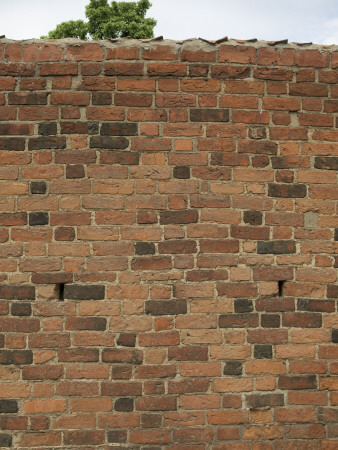
In fact, people feel more alive and more sane after having gone through The Wall of Fear.
This Book is a Guide for Therapists and Clients
It is a collaboration between the therapist (me) and a client who had moved on with her life (Sarah-Jane). The reader gets the benefit of hearing the professional voice, talking about why the experience of abuse and the experience of therapy are the ways they are and at the same time hearing the client's voice about how the experiences felt for her before, during and after therapy.
See Excerpts of My Book at Amazon
 | Overcoming Childhood Sexual Trauma: A Guide to Breaking Through the Wall of Fear for Practitioner... Go beyond the pain and fear of sexual abuse to heal the traumaChildhood sexual abuse (CSA) can be a physically and emotionally painful soul-shattering experience that can trauma... Routledge |
Table of Contents
|
Chapter 1 |
Why is Childhood Sexual Abuse so Traumatic? |
|
Chapter 2 |
Trapped in the World of Trauma |
|
Chapter 3 |
Intimate Relationships and the World of Trauma |
|
Chapter 4 |
Choosing a Therapist: A Client's Perspective |
|
Chapter 5 |
Stages of Therapy: Breaking Through the Wall of Fear |
|
Chapter 6 |
Closure: Coming to Peace with the Past |
|
Chapter 7 |
How I Get Through Therapy in One Piece |
|
Chapter 8 |
Children of Survivors: Growing Up in the Shadow of Trauma |
|
Chapter 9 |
Being a Therapist: Notes on Working with CSA Survivors |
|
Appendix A |
Beginning Therapy |
|
Appendix B |
Interview Questions |
|
Glossary |
Read a Psychiatrist's Review of the Book
Book Review in a Psychiatry Journal
Dr Joachim has written a very supportive review of this book - "for the perplexed psychiatrist".

Other Articles I have Written on This Topic
Defining Child Sexual Abuse
Learn to recognize when a given behaviour requires further examination and when it is normal and need not demand professional help.
Is Recovery Possible?
Parents and concerned others need to understand that having fallen victim to sexual abuse is not a life sentence. It is a trauma (sometimes not even experienced as such by the child, himself or herself) the negative impact of which can be overcome.
Help Your Child Cope with Having Been Sexually Abused
Your world falls apart upon hearing that your child was sexually abused. Hard as it is, your child can recover, you can recover, your family can recover.
Preventing Child Sexual Abuse
Looking at suggestions for helping children prevent their own abuse. Tells why some commonly accepted approaches do not work and why the newest suggestion does put children on stronger footing.
Updated: 12/29/2013, Sheri_Oz
You might also like
Why Would Someone Abuse a Child?Knowing why some people sexually abuse children can help us better understand...
Therapy for Children and Teens Who were Sexually AbusedHow do professionals help children and teenagers heal from the sexual abuse? ...
Disclosure: This page generates income for authors based on affiliate relationships with our partners, including Amazon, Google and others.

 Visiting an Art Gallery With a Two-Year-Oldon 07/27/2015
 Using the News to Enhance Jewish Identity in Jewish Kidson 07/24/2015
 Xi'an - Not Just Terracotta Warriorson 06/09/2015
 Sew Your Own Wedding Dress - or Your Daughter'son 02/06/2015

Comments and Questions
The honour is mutual. I just checked and saw you are a med student. It is great that you also have sensitivity to mental health issues.
Isn't it the most horrible crime of all crimes, this child sexual abuse? It is not just about helplessness of the child in such situation, but also it is about ruining someone's whole life. I have two aticles on wizzley about some psychiatrical conditions that can be triggered by sexual abuse, and one of them touches some aspects of dissociation.
I remember every patient I had who came to the clinic as a victim of this disgusting crime.
I am honored to meet you, the one who actually works closely with these victims. And I am glad that there is the way to help those in such need.
It is amazing working with survivors - the fact that I can help someone get the life they deserve is a marvel to me. I am constantly in awe.
And most importantly helping those who've been abused to heal.
How sad the things happening to children all over the world. Thank goodness for people like you, raising awareness and doing something to help the pain and undue suffering of any child. This breaks my heart and yet we do need to discuss it and keep the information flowing in hopes of putting a stop to such offenses.