

Wizzley
PopularLatestDiscussedEditor's Choice
AuthorsForum
Wizzley

A community of writers publishing stories worth your time — on the topics they know and love.

Explore

  • Popular
  • Latest
  • Discussed
  • Editor's Choice

Community

  • Top authors
  • New authors

Service

  • Help
  • Contact
  • Imprint
  • Terms of Use
  • Privacy

Check out our other international Webhaus communities!

Explore another site:English·Deutsch

© 2026 Webhaus LLC. All rights reserved.

Hobbies & CraftsGames, Crafts, CollectingEducationSchool and LearningFamilyKids and ParentingPlants & GardeningFlowers, Veggies et. al.Video GamesPC & Console Gaming
Article

Collecting Arita Porcelain: Arita Tokkuri Sake Bottles and their Cultural Relevance

Building a Collection of Arita Tokkuri Jugs: Understanding the Rituals & Tips for New Collectors

For new collectors embarking on the journey of acquiring Arita porcelain tokkuri vases, understanding the essence & ritual background of this exquisite craft is crucial. Arita porcelain, known for its vibrant glazes and intricate designs, has a rich history that adds depth to each piece. When building a collection, it is essential to appreciate not only the aesthetic appeal but also the cultural significance these vases hold within Japanese rituals and traditions. This understanding will guide collectors in making informed choices that resonate with their personal style and the values of this art form.

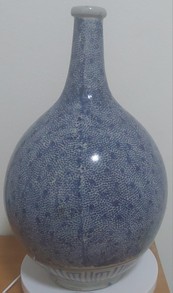
Genuine Tokkuri Sake Vase

Our Genuine Unmarked Tokkuri Vase
Our Genuine Unmarked Tokkuri Vase — AsianArtisanHunters (Us)

Building a Collection

One of the first tips for new collectors is to focus on quality over quantity. A single, well-crafted Arita tokkuri can speak volumes more than a multitude of lesser pieces. Look for vases that showcase the hallmark characteristics of Arita craftsmanship, such as fine detailing, vibrant colours, and a smooth finish. Engaging with knowledgeable dealers or attending exhibitions can provide insights into recognising authentic Arita porcelain, ensuring that each acquisition is a worthy addition to your collection.

Additionally, it is beneficial to establish a theme or focus for your collection. Many collectors find joy in specialising, whether it be antique Arita tokkuri vases, customised pieces for special occasions, or specific colour palettes. This thematic approach not only enhances the visual appeal of the collection but also allows for a deeper exploration of the historical significance behind each piece. Consider how the chosen theme can reflect your personality and interests, making your collection uniquely yours.

Caring for Arita porcelain is another crucial aspect that new collectors should prioritise. These vases, while durable, require thoughtful maintenance to preserve their beauty and longevity. Regular cleaning with gentle, non-abrasive materials and avoiding exposure to harsh chemicals will keep your tokkuri vases in pristine condition. Furthermore, displaying them in a suitable environment, away from direct sunlight, will prevent fading and discoloration, allowing their elegance to shine for years to come.

Lastly, consider the potential of Arita porcelain as a unique gift option for sake enthusiasts. The elegance and craftsmanship of a beautifully designed tokkuri make it a thoughtful present for special occasions. Whether for a wedding, anniversary, or a simple gesture of appreciation, gifting Arita porcelain not only shares the beauty of Japanese culture but also supports the artisans who dedicate their lives to this traditional craft. Embracing the role of a collector means contributing to the preservation of this timeless elegance, ensuring it continues to be appreciated for generations to come.

Antique Tokkuri Sake Bottle

Good Example of Tokkuri Bottle

Understanding Value and Authenticity in Arita Porcelain

Arita porcelain, with its rich history and artistry, embodies the essence of value and authenticity that collectors and decorators alike seek. Originating from the Arita region of Japan, this exquisite ceramic tradition dates back to the early 17th century. The meticulous craftsmanship involved in creating Arita tokkuri vases showcases not just the skill of artisans but also the cultural heritage that they represent. For collectors, understanding the nuances of value in Arita porcelain is crucial, as it can significantly influence their choices and investments.

The authenticity of Arita porcelain is a hallmark of its appeal. Each piece tells a story, reflecting the unique techniques and materials used by traditional craftsmen. Collectors often look for specific markers of authenticity, such as the artist's signature or characteristic glazing techniques, which distinguish genuine Arita from imitations. For those interested in historical significance, antique Arita tokkuri vases provide fascinating insights into Japan's cultural rituals and social practices, making them not just decorative items but valuable historical artifacts.

In addition to their aesthetic value, Arita porcelain pieces serve practical purposes during traditional Japanese ceremonies. The role of these tokkuri vases in serving sake during gatherings highlights their cultural importance. Collectors and decorators can appreciate how these pieces enhance the experience of Japanese rituals, contributing to the overall ambiance of the setting. Understanding this aspect adds depth to the appreciation of Arita porcelain, elevating it from mere decoration to a vital component of cultural heritage.

For those considering collecting Arita porcelain, it is essential to weigh factors such as rarity, condition, and provenance. Customised Arita tokkuri vases, designed for special occasions, can also hold considerable sentimental value, making them unique gifts for sake enthusiasts. When evaluating pieces, collectors should be mindful of the market trends and historical context that affect the valuation of Arita porcelain. The combination of craft, history, and personal connection makes each piece a treasure worth cherishing.

Lastly, the care and maintenance of Arita porcelain are paramount in preserving its beauty and integrity. Proper handling and cleaning techniques ensure that these exquisite items retain their charm for generations. Collectors should be well-informed about the specific requirements for maintaining their Arita tokkuri vases, as this knowledge enhances their longevity and value. By fostering a deeper understanding of value and authenticity, collectors and decorators can fully appreciate the timeless elegance of Arita porcelain, celebrating its role in both personal spaces and cultural traditions.

Check the Base of the Tokkuri Vase

The base of our genuine Tokkuri Sake Vase — AsianArtisanHunters (Us)

Personalised Elegance: Customised Arita Tokkuri

Creating Unique Pieces for Special Occasions

Creating unique pieces for special occasions allows collectors and decorators to embrace the exquisite beauty of Arita porcelain tokkuri vases. These traditional Japanese sake bottles are not only functional but also serve as stunning works of art that can elevate any gathering. When selecting a tokkuri for a special event, it is essential to consider the craftsmanship and heritage behind each piece, ensuring that it resonates with the significance of the occasion.

Antique Arita tokkuri vases hold a wealth of historical significance, making them perfect for commemorating milestones. Each vase tells a story, reflecting the artistry and cultural rituals of Japan. By incorporating these unique pieces into celebrations, one not only honours tradition but also adds a touch of elegance that is unmatched. The unique patterns and glazes of Arita porcelain can be tailored to suit the theme of any event, providing a personal touch that guests will admire.

Customised Arita tokkuri vases offer an opportunity for collectors to express their individuality and creativity. Engaging with skilled artisans to create bespoke designs ensures that each piece is distinct and meaningful. These vases can be personalised with monograms, dates, or even specific motifs that represent the essence of the occasion, making them cherished keepsakes for years to come.

The role of Arita porcelain in Japanese cultural rituals cannot be overstated. These tokkuri vases are integral to ceremonies such as weddings and festivals, symbolising hospitality and respect. By choosing Arita porcelain for special occasions, one pays homage to the rich traditions of Japan while creating unforgettable memories. The act of sharing sake from a beautifully crafted tokkuri enhances the experience, making it more memorable for all involved.

In conclusion, Arita porcelain tokkuri vases are an exquisite choice for collectors and decorators looking to celebrate life's special moments. Their beauty, history, and ability to be customised make them the perfect addition to any occasion. By selecting a unique piece, one not only adds elegance to their home but also participates in a timeless tradition that continues to resonate in contemporary culture.

Antique Tokkuri

Rim of Antique Tokkuri — AsianArtisanHunters (Us)

The Art of Personalization in Arita Porcelain

In the realm of Arita porcelain, personalisation transcends mere decoration; it becomes a profound expression of identity and sentiment. Collectors and enthusiasts cherish the ability to incorporate personal elements into their tokkuri vases, making each piece not just a vessel for sake but a tangible representation of memories and cherished occasions. Customisation options range from unique colour palettes to bespoke engraving, allowing individuals to create one-of-a-kind pieces that resonate with their personal stories and aesthetics.

The craftsmanship inherent in Arita porcelain offers a rich tapestry for personalisation. Artisans, steeped in centuries-old traditions, are adept at blending innovative techniques with historical designs. This fusion allows for the creation of customised vases that maintain the elegance and integrity of traditional Arita craftsmanship while reflecting the unique tastes of the owner. Such pieces often become centrepieces in homes, marrying functionality with artistic expression and inviting conversations about their origins and significance.

Antique Arita tokkuri vases, with their historical significance, also lend themselves to personalization in a more understated manner. Collectors often seek to understand the stories behind these pieces, considering how previous owners may have interacted with and cherished them. The history embedded in antique vases offers a canvas for collectors to weave their narratives, connecting the past to their present through the careful selection and display of these treasured items.

Moreover, the role of Arita porcelain in Japanese cultural rituals enhances its appeal as a personalised gift option. For special occasions such as weddings or anniversaries, customized tokkuri vases become cherished heirlooms, symbolising love and commitment. The act of gifting a personalised Arita piece not only honors tradition but also adds a layer of intimacy, making the recipient feel truly special. Such thoughtful gestures underline the importance of personalization in fostering connections through art.

In conclusion, the art of personalisation in Arita porcelain enriches the experience for collectors and home decorators alike. As they seek to create spaces that reflect their individuality and honour their heritage, personalised tokkuri vases emerge as exquisite embodiments of their journeys. With each carefully crafted piece, the legacy of Arita porcelain continues to thrive, evolving to meet the desires of modern enthusiasts while remaining rooted in its rich historical context.

Arita Porcelain in Cultural Rituals

The Role of Tokkuri in Japanese Ceremonies

The tokkuri, a traditional Japanese sake vessel, plays a pivotal role in various Japanese ceremonies, symbolising not just the act of serving and enjoying sake but also the deeper connections formed during such occasions. As collectors and home decorators appreciate, the aesthetic appeal of Arita porcelain tokkuri enhances the ambience of ceremonies, making them more memorable. Each tokkuri, often characterised by its elegant shape and intricate designs, serves as a testament to the craftsmanship that has been honed over centuries in Arita, Japan.

During formal gatherings, the act of pouring sake from a tokkuri is steeped in ritual. It is customary for the host to pour sake for their guests, demonstrating hospitality and respect. This ritual is especially significant during celebrations like weddings and New Year’s festivities, where the tokkuri is often used to convey blessings and wishes for prosperity. The artistry of Arita porcelain adds a unique dimension to these ceremonies, as each piece is not just functional but also a work of art, reflecting the cultural heritage of Japan.

Moreover, the historical significance of antique Arita tokkuri vases cannot be understated. Many of these pieces are imbued with stories of the past, representing the evolution of Japanese ceramic artistry. Collectors often seek out these antique vessels not just for their beauty but also for the narratives they carry. Each tokkuri encapsulates a moment in time, making it a cherished addition to any collection, and a vital link to Japan's rich cultural history.

In modern times, customised Arita tokkuri vases have become popular choices for special occasions. These bespoke pieces allow individuals to celebrate personal milestones with a unique touch, enhancing the sentimental value of the tokkuri. Whether it is a wedding gift or a token of appreciation, a customised tokkuri serves as a meaningful representation of the occasion, allowing the recipient to cherish it for years to come.

The role of Arita porcelain in Japanese cultural rituals extends beyond mere function; it embodies the spirit of togetherness and celebration. For those who appreciate the elegance of Arita porcelain, caring for these exquisite pieces is essential to preserve their beauty and significance. As a unique gift option for sake enthusiasts, an Arita tokkuri not only elevates the drinking experience but also serves as a beautiful reminder of the cultural rituals that bring people together, making it a timeless addition to any home decor.

Sake and Tradition: A Cultural Perspective

Sake, often referred to as rice wine, holds a significant place in Japanese culture, embodying centuries of tradition and artistry. The connection between sake and Arita porcelain is particularly notable, as the elegant tokkuri vases designed for serving this cherished beverage showcase the meticulous craftsmanship of Arita artisans. These vases are not merely functional; they are exquisite pieces of art that reflect the cultural heritage of Japan, enhancing the experience of sake consumption during ceremonies and celebrations.

The craftsmanship of Arita porcelain dates back to the early 17th century, when it was first developed in the town of Arita, Kyushu. Artisans employed traditional techniques to create stunning pieces that were both durable and aesthetically pleasing. The unique glaze and intricate designs of Arita tokkuri vases not only serve to elevate the presentation of sake but also tell stories of the past, connecting collectors and enthusiasts to the rich history of Japanese ceramics. In this way, each tokkuri vase becomes a vessel of cultural significance, embodying the spirit of Japanese craftsmanship.

In Japanese rituals, the act of pouring sake is steeped in symbolism, representing respect, hospitality, and the sharing of good fortune. Arita tokkuri vases play a crucial role in these rituals, often being used during special occasions such as weddings, festivals, or family gatherings. The choice of a beautifully crafted tokkuri can enhance the ceremonial atmosphere, making it a thoughtful gift for sake enthusiasts and a cherished addition to any collection. The aesthetic appeal of Arita porcelain adds a layer of elegance to these moments, further deepening the connection between culture and craftsmanship.

Collectors of Arita porcelain often find joy in the historical significance and the stories behind each piece. Antique tokkuri vases, with their unique marks and designs, offer a glimpse into the past and the evolution of Japanese pottery. Understanding the value of these items involves not only an appreciation of their beauty but also a recognition of their place in the larger narrative of Japanese art history. As collectors seek to curate their collections, they become part of a legacy that celebrates the enduring elegance of Arita craftsmanship.

Caring for Arita porcelain is essential to preserving its beauty and integrity. Proper maintenance ensures that these exquisite pieces can be enjoyed for generations to come. Whether displayed as part of a home decor scheme or used in traditional sake ceremonies, Arita tokkuri vases remain timeless symbols of Japanese culture. With their captivating designs and rich history, they continue to inspire collectors and decorators alike, offering a unique opportunity to celebrate the art of traditional Japanese craftsmanship in contemporary settings.

Follow us across the net

linktr.ee/AsianArtisanHunter

Updated August 26, 2026

Comments

humagaiaSep 22, 2026

sorry I don't know

DerdriuMarrinerSep 18, 2026

Thank you for your comment below in answer to my previous observation and question.

Is there a textile manufacturer whose products Arita-ware purchasers incline towards including with their porcelain?

humagaiaSep 18, 2026

Yes, Arita production is world-famous for eating-ware, but it does not traditionally manufacture textile products like napkins and tablecloths.
Arita ware (Arita-yaki), originating from the town of Arita in Saga Prefecture, is celebrated as the birthplace of Japanese porcelain. Because it is strictly a ceramic-producing region, its contributions to the dining table are uniquely material-specific.

DerdriuMarrinerSep 14, 2026

Thank you for your comment below in answer to my previous observation and question.

Does Arita production do anything about eating-ware, napkins and tablecloths?

humagaiaSep 13, 2026

Yes, Arita porcelain is widely available in a comprehensive range of functional tableware. While historically famous for its grand export jars and decorative masterpieces, the core of Arita production (Arita-yaki) has spent over 400 years perfecting practical eating utensils and everyday dinnerware

DerdriuMarrinerSep 12, 2026

Thank you for your comment below in answer to my previous observation and question.

Is Arita porcelain available in other such table-ware usables as bowls, cups, pitchers, plates, platters, saucers?

humagaiaSep 12, 2026

Don't know, I haven't asked any of them.

DerdriuMarrinerSep 11, 2026

Thank you for your comment below in answer to my previous observation and question.

Do "high-end collectors and artisanal makers" inform anyone other than themselves which white clay inspires what they identify as highest-nuanced, luminousest, purest white ceramic?

humagaiaSep 11, 2026

In the ceramics world, makers and collectors explicitly differentiate between clay-driven white tones, and they absolutely do not treat all whites as equal. While any functional white ceramic can find a standard retail buyer, high-end collectors and artisanal makers are deeply invested in the subtle nuances, purity, and luminosity of the specific white clay body used.

DerdriuMarrinerSep 8, 2026

Thank you for your comment below in answer to my previous observation and question.

Do collectors and makers deem some clay-driven white-hued colors as more dazzling than others or does whatever the clay in question delivers delight their buying and selling customer bases?

humagaiaSep 4, 2026

Yes, clay has everything to do with it, so the regional location is dictated by the clay and therefore the colour..

DerdriuMarrinerSep 4, 2026

Thank you for your comment below in answer to my previous observation and question.

Does the white-hued color defer to which biogeography or which soil-horizon layer domiciles the clay?

humagaiaSep 4, 2026

The latter, although the blue is generally uniform, the white gains a colour hue linked to the clay used.

DerdriuMarrinerAug 28, 2026

Thank you for your comment below in answer to my previous observation and question.

Do the blue and the white colors standardize around certain shades or do their differences defer in part to their clay, glaze, kiln associations?

humagaiaAug 28, 2026

There mat be a hue specific to a kiln, clay or glaze.

DerdriuMarrinerAug 26, 2026

Thank you for your comment below in answer to my previous observation and question.

Does the white color display creaminess or dullness or vibrancy or something else?

humagaiaAug 26, 2026

Vibrant refers to the vivid blue most associated with Arita Tokkuri

DerdriuMarrinerAug 25, 2026

The first paragraph to the second section, Building a collection, advises us of "vibrant colors."

What colors appear most vibrantly on the tokkuri bottles?

VeronicaAug 23, 2026

Thank you for posting this. It is a completely new topic for me. I never knew these existed.
Fascinating.
humagaia
humagaia
97 articles
★ Editor's Choice
FollowMessage

Related articles

  • Vintage Definition | Antique Definition
  • How To Sell Antiques
  • A Comparative Study of Japanese Pottery and it's Care
  • The Timeless Elegance of Arita Tokkuri Sake Bottles