

At a recent discussion with my friends, when we were talking about the new generation and the better understanding of youth and our kids, we came to conclusion that the new generation is sometimes very impatient and also restless, gets depressed and demotivated easily. No doubt, the present generation is smart, intelligent and in many ways ‘fast forward” in getting things done and accomplishing achievements. However, qualities and value such as gratitude, perseverance and steadfastness is missing in many.

How to do Pranayama - Benefits of Yoga
The benefits of Yoga are immense; I have come to know with experience. Here are some tips on how to do Pranayama, so that you bring tranquility in your life.
You might not believe but focusing and breathing consciously, you can calm your mind and body. It might seem strange but we have a strong connection with our breath. This breath accompanies us like a true friend till our end, till we breathe our last.
As a way of this superfast moving life style, people easily get stresses and frequent burn-outs; in extreme cases they get nervous breakdowns as well. So, here comes Ayurveda and Yoga to help out people with fast pace lives to get most of Pranayama benefits from breathing exercises.
“When the breath wanders the mind also is unsteady. But when the breath is calmed the mind too will be still, and the yogi achieves long life. Therefore, one should learn to control the breath. ”
The mind is everything; what you think, you become. (Buddha)
© copyright WriterArtist 2014, All rights reserved
How to do Pranayama
The Stress of Present
Life is full of Stress and Anxiety

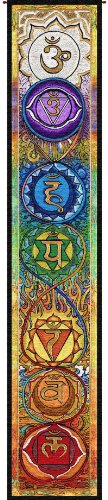
An Introduction to Pranayama
Pranayama Asana for Beginners
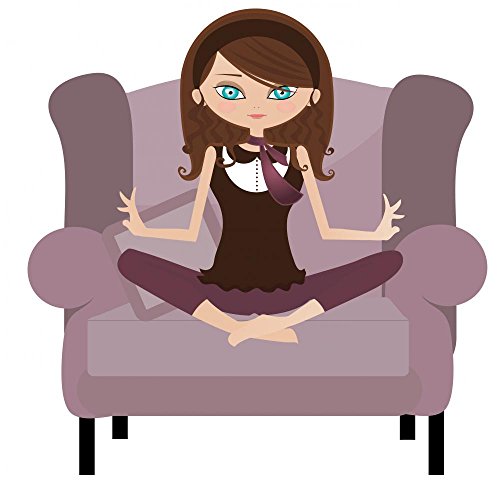
Don't worry if you can't fold your legs in lotus position - "Padmasana" and sit. Sit comfortably with your spinal cord straight, which is more important than anything else. The seating position should be as per your convenience, it should not result in pain or discomfiture.
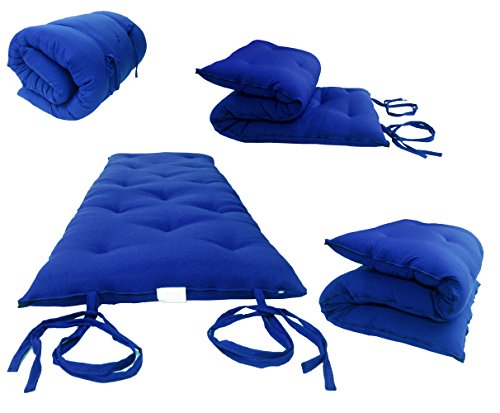
For aged, senior people can use pillow under the legs and at the back, they can lean at the back for support.
Sometimes, the breathing exercises are so relaxing that you fall asleep. Don't stoop or sleep while taking deep breaths. If you cannot hold, get up and take a walk. Come back and start the pranayama again.
Have you noticed the benefits of Pranayama?
4 votes
The Right Way to Get the Most of Pranayama Benefits
How to do Pranayama?
How to do Pranayama the right way?
There are more than one ways of doing Pranayama and the easiest one is the natural breathing. Natural breathing which is also known as “Ana Pana” in Vipassana courses relies on focusing on natural breath. The aspirant or the meditator has just to focus on his breath naturally without changing the pace of natural breath. Neither does one need to count with inhaling and exhaling. In fact, the meditators are given strict guidelines not to tamper with the natural rhythm of the breath.
Another way is the “Anulom Vilom Pranayam” as taught by the holy Baba Ramdev. Anulom-Vilom Pranayam needs the meditator to inhale slowly from one nostril with a deep breath closing the other nostril. Next step is to open the second nostril and exhale deeply with this nostril. The process has to be repeated for duration of 10 to 15 minutes. Afterwards, the same breathing exercise has to be done by reversing the nostrils, vice-versa. This essentially means if you are inhaling from the left, now you have to do it from right nostril and exhale from the left.
Needless to say, the process has to be done with calm mind and straight posture keeping the legs folded while sitting and the spinal cord straight.
Learn Pranayama


Advertisement
Breathing Techniques* (Yoga, Meditation, Relaxation, Stress, Cancer, Blood Pressure) Kapalbhati
How to do Pranayama Anywhere Anytime?
Pranayama in Office and while Traveling
Short, convenient bouts of pranayama exercises at any juncture during short intervals and meetings can help stabilize your raging thoughts anytime and anywhere. This universal technique is available all the time with you and serves as your best friend to calm and soothe the agitation. If you are too stressed or anxious, it helps to this asana with closed eyes. Detach yourself from the scene, situation and take 10 to 15 deep breaths, focus on your breath, focus on the sensations at your nostrils. Within 5 minutes, you will experience the difference.
This works very effectively and helps ease the tension that is building. Pranayama gives a break to thoughts, which are fueling your thoughts with rage and anger. You have to practice it to understand it.
Advertisement
Breathing Exercises - Introduction to Pranayama
How to do Pranayama if you are ill?
A healthy body is fit to take exercises and stress whereas a sick body requires rest. You might not be able to do the several Yoga asanas but the beauty of pranayama asanas is that you can do it in a sleeping position too. Of course, if you are too ill, you should take rest as directed by a physician.
How to do Pranayama exercises if you are not feeling well?
To begin with, hold your breath for 5 seconds, inhale slowly without any stress and hold for 10 seconds, exhale for 5 seconds. Usually the proportion in which inhaling and holding is done is 1:2, but you can do the way you feel comfortable with a relaxed mind, slowly you will feel that your body is relaxing too.
For newbie’s, it is very common to lose concentration and focus during breathing exercises. My advice to them is to keep the regular practice and not give away, slowly you will be able to master your mind and not let your mind dictate you as is the usual pattern. To break the pattern of chattering and the restlessness of mind, you will have to patiently bring back your mind to the object of focus every moment it runs away from the scene of action i.e. the nostril.
Don’t despair slowly you will conquer the mind and also the body.
Cheers!!!
Have you heard of Pranayama?
DerdriuMarrinerOct 18, 2022
Experienced practitioners perhaps need no forced closured of one nostril while they breathe with the other.
Would not beginning practitioners need to close one nostril with a finger? If so, would it matter which finger is used?
TelestoNov 3, 2014