

Traditional Reiki Symbols | Non-Traditional Reiki Symbols
by NanLT
There are 4 traditional Reiki symbols and a continually growing number of non-traditional symbols. Discover for yourself the traditional and non-traditional symbols in Reiki.
What are Reiki Symbols
and how are the used?
In 1922, according to tradition, Sensei Mikao Usui meditated upon Mt Kurama seeking wisdom. While there he had a great revelation and was given the knowledge of what he came to call the Usui System of Natural Healing or Usui Reiki Ryoho. Later he added the 3 symbols taught during Reiki training.The Master Symbol was not used by Sensei Usui and it is thought that Dr Hayashi added that later.
In the systems of teaching developed by Dr Hayashi in Japan and by Mrs Takata in the Western world, the Reiki Levels were brought in and the symbols taught at the Second Degree, or Second Level, sometimes called a Reiki Practitioner.
As later Reiki traditions were founded and people have meditated on Reiki in their own practices new symbols have been revealed. These are what I call the non-traditional symbols.
Most Reiki Practitioners are taught to use the symbols in what Taggart King from Reiki Evolutions calls a Reiki Sandwich. Cho Ku Rei - Symbol - Cho Ku Rei
Experience has taught me that this isn't necessary.
My theory is that the Reiki Symbols, whether traditional or non-traditional, are icons and just like the icons on your computer, they provide a shortcut which links you to Reiki intentions. The important thing to remember here is that the Symbol is not the Intention.
The Traditional Reiki Symbols
As taught by Sensei Mikao Usui
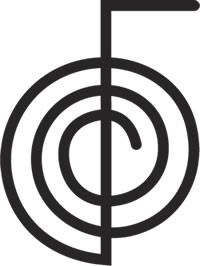
Cho Ku Rei
The Power Symbol
Activates and empowers, balances and cleanses.
Use this symbol to remove negativity and cleanse a space before doing Reiki. It can help to clear negative (or what I call stagnated energy) during a Reiki treatment.
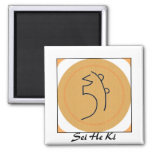
Sei He Kei
Mental/Emotional Healing
Purifies and helps to release trapped emotions, useful for illnesses caused by stress or emotions connected to past events and traumas.
Hon Sha Ze Sho Nen
Distance healing
Absentee healing and healing across the space-time continuum. Allows the practitioner to heal someone across the room or across the world and send healing energy into the past or the future.
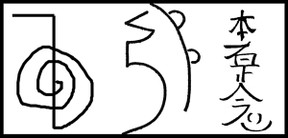
Symbols can be drawn mentally, physically or through gesture. I've even drawn them using eye movement. I've talked to more than one experienced Reiki Practitioner who told me that over time they found they didn't need to draw the symbol at all, they just needed to say it or think of it, or focus on the intention behind the symbol.
Cho Ku Rei Doorway
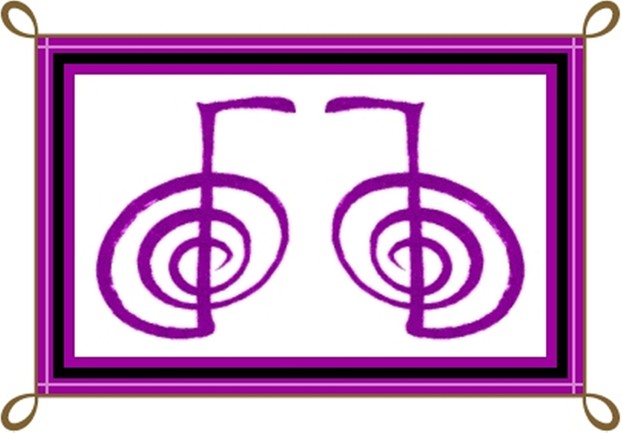 Cho Ku Rei Doorway Created by NanLT |
The Reiki Master Symbol
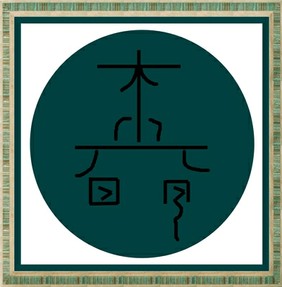
Dai Ko Myo
The Dai Ko Myo, or Master Symbol is used for meditation, for empowering Reiki to a higher vibrational level, and for attuning others. I've seen mention in one place that it should only be used for meditation, but I've used it during treatments on many occasions to good effect.
As with the other symbols, intention is everything.
Use this symbol to increase intuition, enhance soul healing and strengthen the aura.
The Non-Traditional Reiki Symbols
from a range of Reiki Schools
As Reiki has grown and evolved in the Western world several new schools teaching Reiki have emerged, each with its own style of teaching and traditions. The founders and people within these schools have channeled or otherwise discovered new symbols which they teach within those Reiki schools. I call these the Non-Traditional Reiki Symbols.
If a symbol resonates for you, I would suggest learning more about it and the Reiki tradition to which it is connected.
Cho Ku Rei - reversed
 This is used by some people in Usui Shiki Ryoho Reiki for manifesting. I combine the reversed with the traditional Cho Ku Rei to create a doorway through which a journeyer can walk.
Tibetan Dai Ko Myo
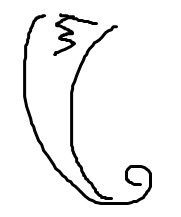
Some substitute this symbol for the traditional Dai Ko Myo.They can be equally powerful so I suggest using whichever feels right to you.
Tibetan Fire Serpent
 Cleanses and joins the chakras, represents the Kundalini energy and is used during the attunement process in some traditions.
Raku
 Used within some Reiki traditions to close the connection between the Reiki Master and student after an attunement.
Zonar
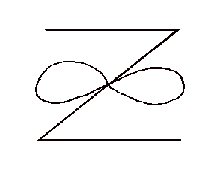 Works across time to heal past-life issues.
Hado-nai
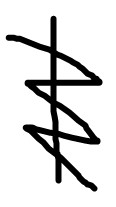 A Reiki symbol which was channeled by me during a Reiki meditation. It is the point between the physical and the non-physical self and a bridge between the two. Use it to connect to Spirit.
The Healing Room
Reiki and energy healing techniques


Discover More About Reiki Symbols
 |  |  |
| Reiki Symbols Cards (Reiki Learning S... Serenity Audio Yoga Only $16.95 | The Ultimate Reiki Symbols Guide: Mas... Independently published Only $37.0 | Reiki Illustrated: The Visual Referen... Zeitgeist |
 |  |  |
| Reiki Symbols Cards (Reiki Learning S... Serenity Audio Yoga Only $2.99 | Reiki Healing for Beginners: Unlockin... Independently published | The Big Book of Reiki Symbols: The Sp... Lotus Press |
Hon Sha Ze Sho Nen
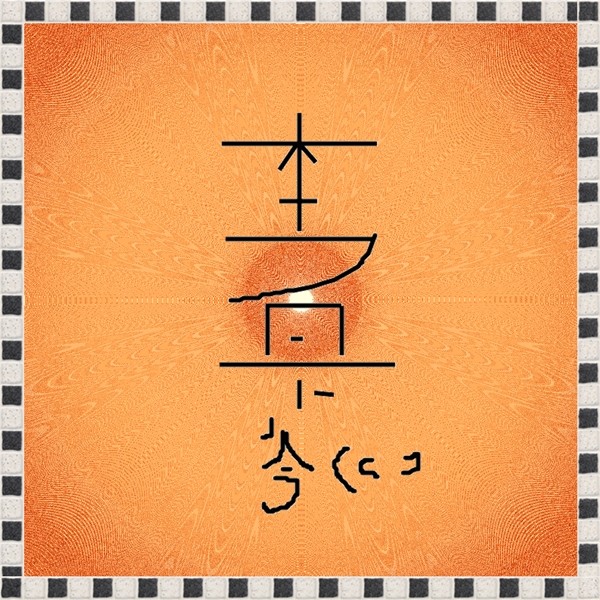 Hon Sha Ze Sho Nen Mandala Created by NanLT |
Reiki Symbols Posters
 |  |
Kolnza Healing Zazzle
Bumber Stickers
 |  |  |
More About Reiki from NanLT
You might also like
Reiki: An Alternative Health JuggernautReiki is a Japanese technique that reduces stress and promotes relaxation.
What Is A Reiki TherapistA reiki therapist has been trained and received Reiki attunement, and now is ...

 Bromley Council Recycleson 12/19/2013
 Clean Your House With Just 3 Natural Ingredientson 12/18/2013
 Growing Up in Smalltown Americaon 12/17/2013
 What Makes Me An Organised Mumon 12/15/2013


Comments
This is interesting. I'm a Reiki Master too, and was taught that the symbols are sacred and shouldn't be shared. But if everyone is born with the ability to carry out Reiki, after an attunement, why not? I need to ponder on this some more, I think.
Fascinating. I had thought that Reiki was an older discipline.