

Modernism was first known as "avant-garde" or simply "modern art" which was created in Europe and the Soviet republics in the last part of the 19th century. The movement started in literature and science in the 1870s and soon the impact of these ideas carried into the visual arts and architecture to be exported to other parts of the world.
The first evidence of the modern movement in architecture can be seen at the beginning of the 20th century. Succeeding generations and cultures have advanced the style with modern technology and materials. The final validation of modernism comes when a variety of post-modern styles were developed in reaction to the tenants of pure modernist architecture.
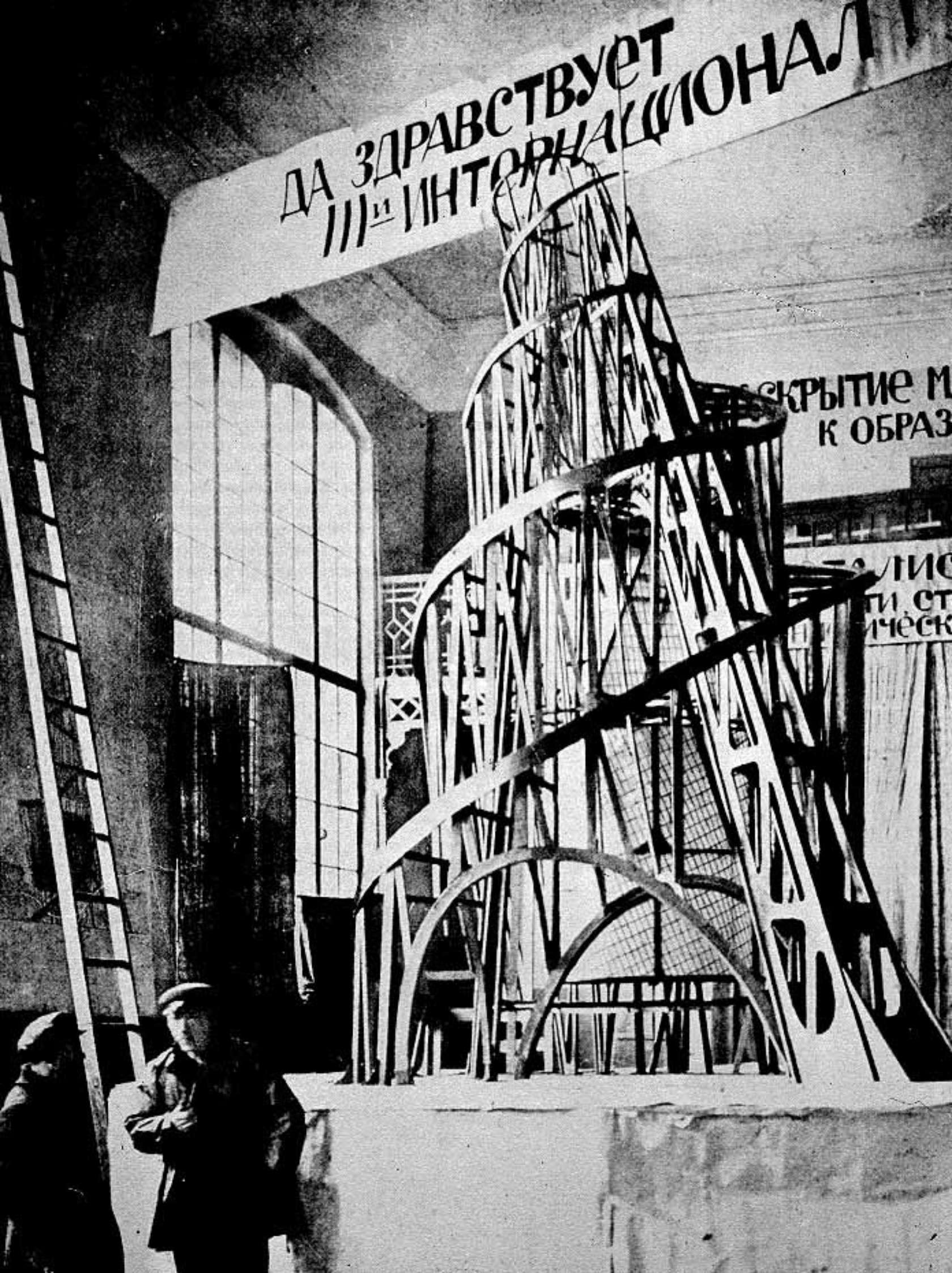
Model of Vladimir Taltlin's Tower, 1919 via Wikimedia Commons
The style also had a major impact in other countries around the world. South America has a long tradition of modernist architecture, the best example being the new capital city of Brasília designed by one of the last remaining communists in the world: Oscar Niemeyer (celebrating his 103 birthday in 2011).
Walter Gropius, Le Corbusier, Richard Neutra and Philip Johnson are the top architects associated with the modernist movement practicing in the United States after World War II. These are the best architecture books to reveal the genius of these architects and this original style of design that still has a major influence on the current generation of architects and contemporary building design.


Comments
vikksimmonsOct 18, 2011
celeBritys4africAJul 4, 2011
puerdycatJun 13, 2011