
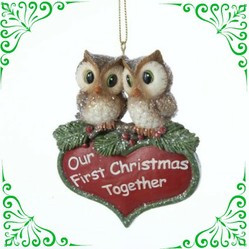
I've always thought it a bit odd that couples deeply in love with each other are called lovebirds. Is it because we as couples act like the tropical lovebirds, or is it something more?
Ever the Googler, I went in search of an answer. It turns out the answer is found deep in the Middle Ages.
The idea of comparing doe-eyed humans to foul isn't a new one. It seems Chaucer wrote a poem in the 14th century called "Parliament of Fowls" where he likened the mating rituals of humans to those of birds. He wrote, “For this was on St. Valentine's Day, when every bird cometh there to choose his mate"
Later on in English literary history, the 16th Century to be exact, another writer named John Lyly spoke of lovebirds "whose feathers shall be beaten gold" in a popular play at the time.
You would think a word which was common in the Middle Ages would have fallen out of usage over the course of a few hundred years. However, it surfaced again, this time in an 1858 issue of Harper's Magazine.
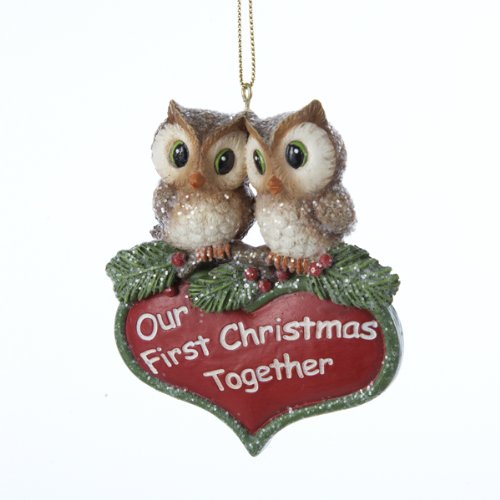
Whatever its origins, It's an odd term, that's for sure. But there's not a word in the English language that would be more appropriate. The two of you, nuzzled up next to each other gazing at your first Christmas tree, there's really no better way to describe the two of you, is there?




Comments
AbbyFitzNov 25, 2014
GuestNov 25, 2014
AbbyFitzNov 25, 2014
MBCNov 25, 2014
AbbyFitzNov 25, 2014
WriterArtistNov 25, 2014