
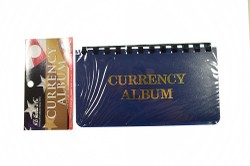
Like most collectibles, using the proper supplies is important. Of course, having the bills graded and placed in a hard acrylic slab is preferred, since the bills are protected and have a grade. Unfortunately, this is an expensive process.
Short of having bills graded one can buy acrylic slabs that work well. They will not guarantee the grade, but they will protect the bills. A more economical solution is to use semi-rigid sleeves. Toploader sleeves work well, since they open on the long side. A sleeve that opens on the shorter side requires the bill be slipped into the opening and slid down without crumpling the bill.


Comments
blackspanielgalleryJun 23, 2021
The currency collectors I know seem to think the U. S. will be making the change, but when is not known.
Metal storage is probably available, but costly, since they exist for trading cards. Metal is not an environment solution, since metal takes heat to smelt from the ores, and energy to mine. Weighing environmental damage is difficult. And, deciding which environmental issue is best to opt for is another matter, since runoff into waterways is another form of damage. It then becomes a question of air or water that is being dispoiled.
DerdriuMarrinerJun 23, 2021
Aren't plastics largely made from fossil fuels or is plastic bill-making free of fossil-fuel chemicals? I wonder if the United States will consider abandoning paper at some time, what with scary United Nations reports about damaged soils and decreasing numbers of woody plants.
Would sleeve-storing boxes ever be made of metal or would they only be of perhaps some kind of cardboard?