 Blood Flow Issues - A big factor preventing relief is blood flow, the disc have a firm outer layer while the center is soft. The soft part is the area from which the disc gets much needed nutrition and oxygen to stay healthy. The fact that the disc of the spine has a sluggish blood supply makes it difficult to heal because blood is the main delivery source carrying what the disc needs to heal. Medication enters by way of the blood stream. Because of this disc can take a very long time to heal. You can move progress along by being proactive.
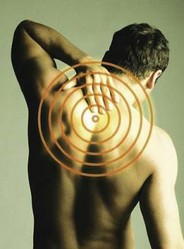
The pain and discomfort you experience comes from the nerve of the spine being pinched by the herniated disc.
This happens when the firm outer part of the disc tears and the soft center starts to push out through the tears creating a bulge in the disc.
The nerves of the spine control the entire body and the bulging disc affects the nerves and the area at which they normally exit the spine venturing throughout the body.
The pain and symptoms you experience depend on the nerves that are being affected by the herniated disc.


 Example; If you experience back pain, leg pain, leg weakness, numbness, burning, problems with your bowel and bladder, etc. your herniated disc is in your low back.


What type of back pain do you have and how does your back pain effect your life?
katiem2Jan 19, 2014
ergonomicadviceJan 3, 2014
katiem2May 19, 2012
CraigMay 19, 2012
katiem2Mar 13, 2012
TehreemMar 13, 2012
katiem2Mar 11, 2012
ChrisMar 11, 2012
katiem2Mar 10, 2012
MladenMar 9, 2012
I would add this: Do exercises to strengthen yuor paravertebral musculature. There must be something that is going to hold those vertebra in place, lowering the physical stress on discus.
Pilates and swimming are the best you can do for your back.
NOTE: First wait for a pain to pass, and then start with Pilates, or swimming. As you said: ice and other techniques you mentioned in article, will easy the pain.
Again, you have done great job on common health issue!