
When Muhammad conquered Mecca, he destroyed the images in the Kaaba - which he saw as pagan, non-Muslim symbols. In this he followed the Jewish view of idol worship: that images should not be made of the divine.
Following this view to the letter mostly, and yet wanting beauty in their lives just like other people do, Muslims have developed their art along the lines of:
- Portraying nature
- Using geometric forms
- Calligraphy: beautifully styled text
In muslim jewelry we mostly find the latter: Allah in Arabic, sometimes combined with 'Islam' as well.
Or you'll find a Hamsa - Fatima's hand - which is supposed to bring luck. As you can see in the hamsa design shown here: it's usually combined with the geometric forms for which Islamic art is so well known.
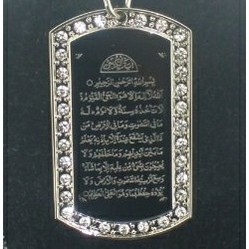
The last pendant shown on this page is Ayatul Kursi, the Throne verse from the Quran.
This verse is basically a homage to the One God, Allah, who is the ruler and benefactor of everything that lives. He is all knowing, all protecting.
From that text it becomes clear why it's such a popular verse for amulets and pendants: it invokes Allah as protector of your life. Reciting this verse is said to guarantee entry into paradize after death. It was also the favorite verse of the Prophet Muhammad himself and is said to protect against Shaytan, the devil.


Comments
hamshi5433Jun 18, 2011